When you walk into my coaching space, you’ll quickly notice that it doesn’t look like a typical office—and that’s intentional.
Even the unfinished ceiling has a purpose.
Many clients comment on it. In some ways, it reflects how people often feel when they first come to coaching: like they’re still under construction. The truth is, we’re all works in progress. Growth isn’t about being “fixed.” It’s about gaining understanding, building skills, and growing with confidence.
My coaching space is designed to make social learning active, practical, and engaging.
Social skills aren’t learned by simply talking about them. They’re experienced through movement, and real interaction. Because everyone learns differently, I tailor our sessions to your individual learning style by using a variety of teaching tools that help make abstract social concepts concrete and clear.
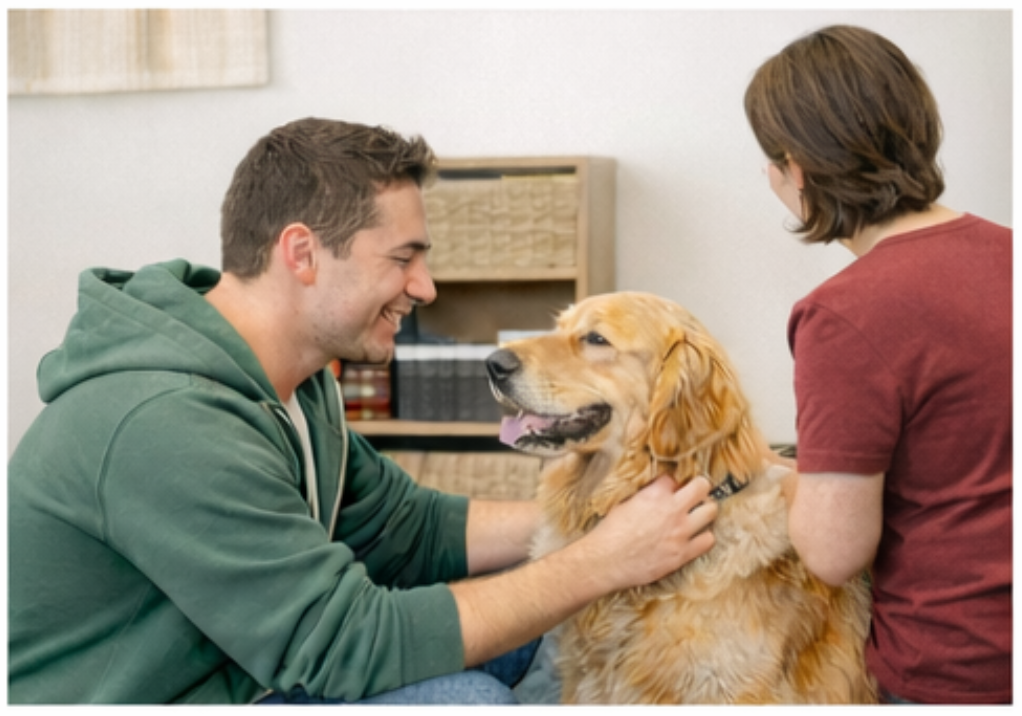
My certified therapy dog is much more than a comforting presence. He creates natural opportunities to practice noticing another living being, sharing space, reading nonverbal cues, and thinking about another's perspective.
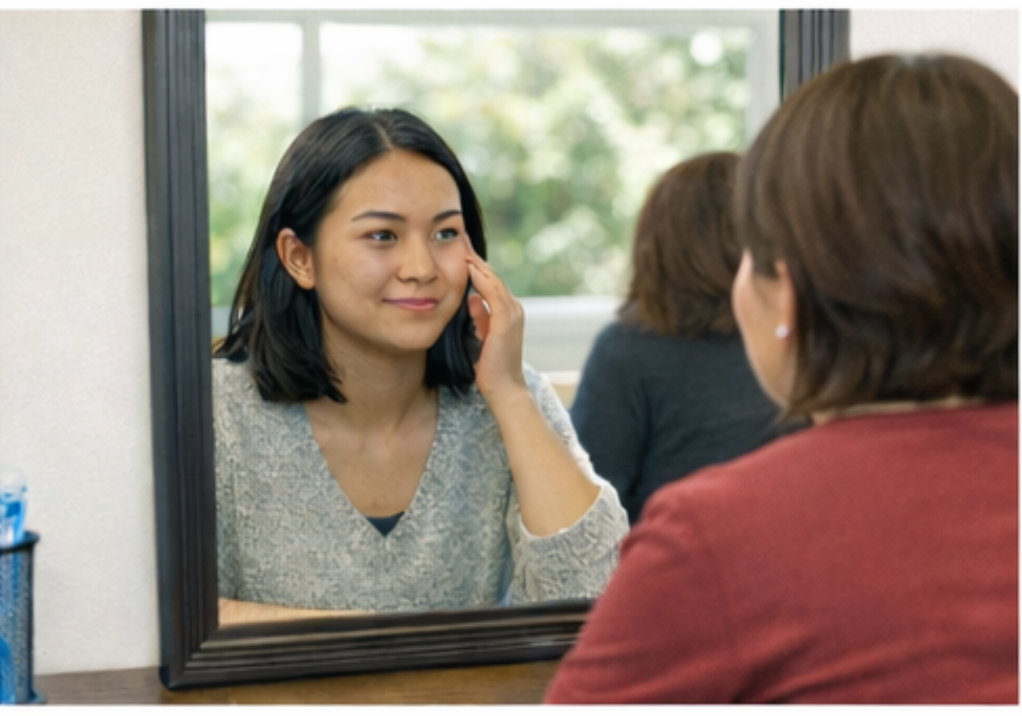
The mirrors throughout my office allow clients to observe their facial expressions, posture, gestures, and body language in real time. Seeing yourself while practicing helps build awareness of how others may experience your communication.
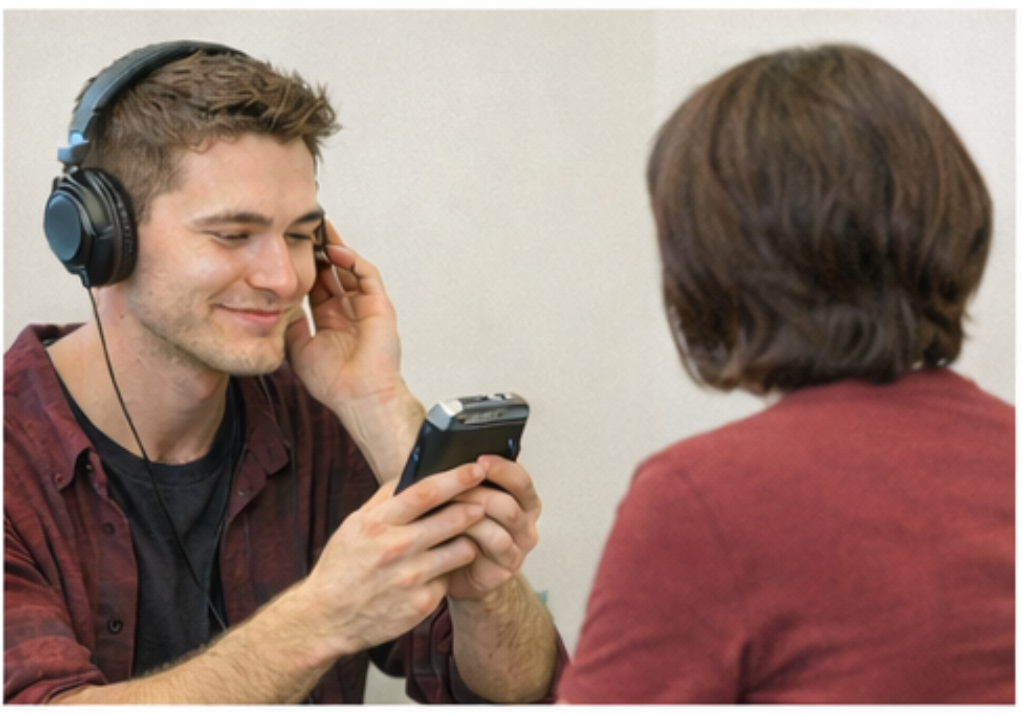
Many people are surprised by how different they sound than they intend. Listening to short recorded conversations helps increase awareness of tone, volume, pacing, and expression. Often, small adjustments make a significant difference in how a message is received.
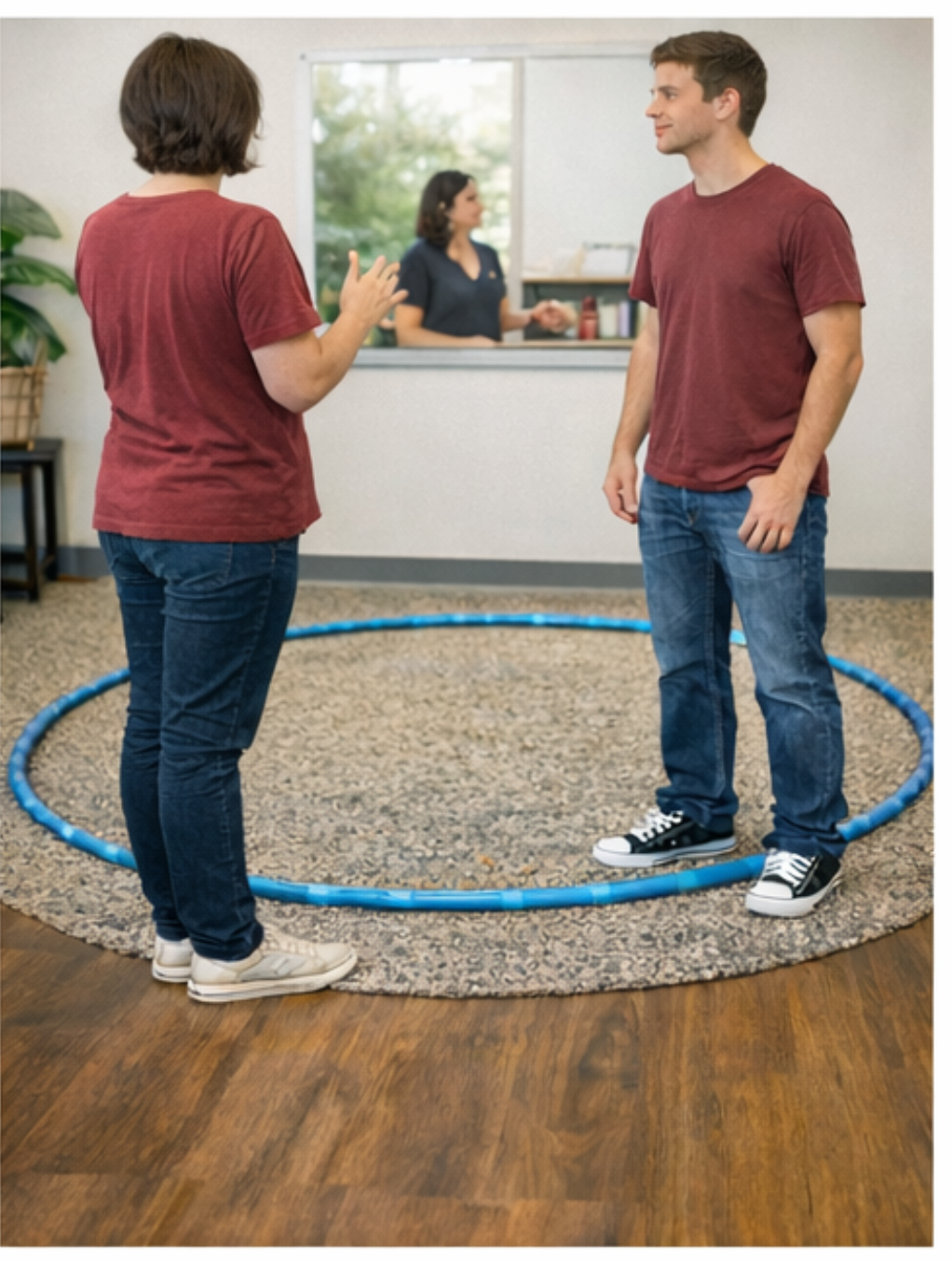
Personal space needs to be experienced, physically. Using a hula hoop creates a clear visual boundary that helps clients explore concepts such as "my space," "your space," and how personal space will change depending on the relationship.
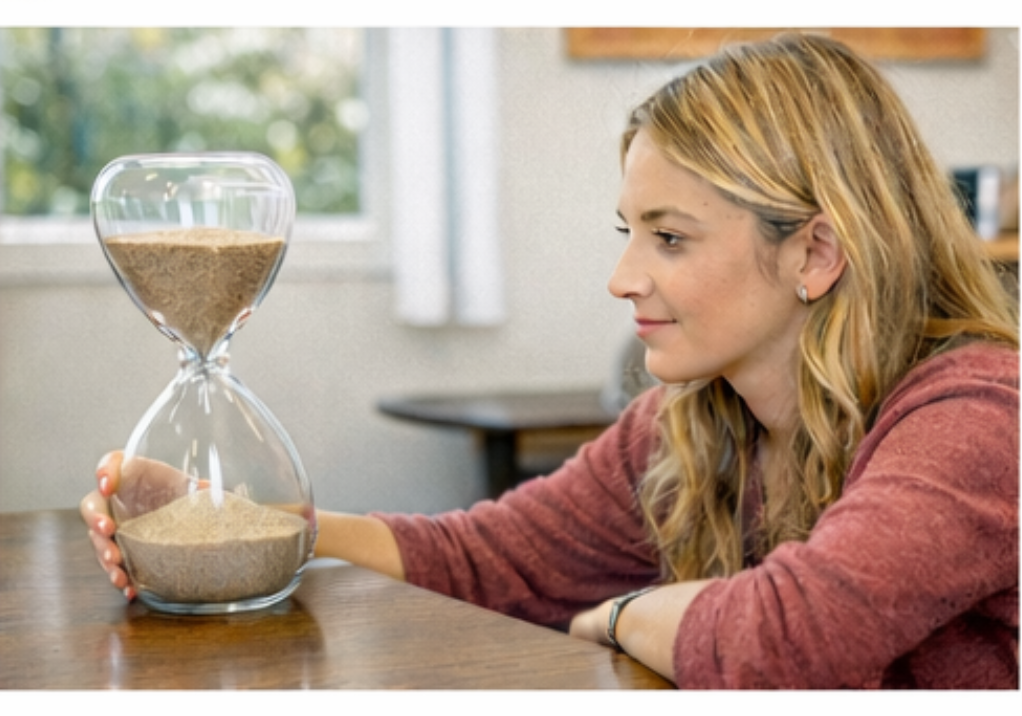
Time is invisible—so we make it visible. Visual timers help clients understand how much time is passing, improve transitions, increase focus, and reduce uncertainty. For many individuals, seeing time pass creates a greater sense of predictability and calm.
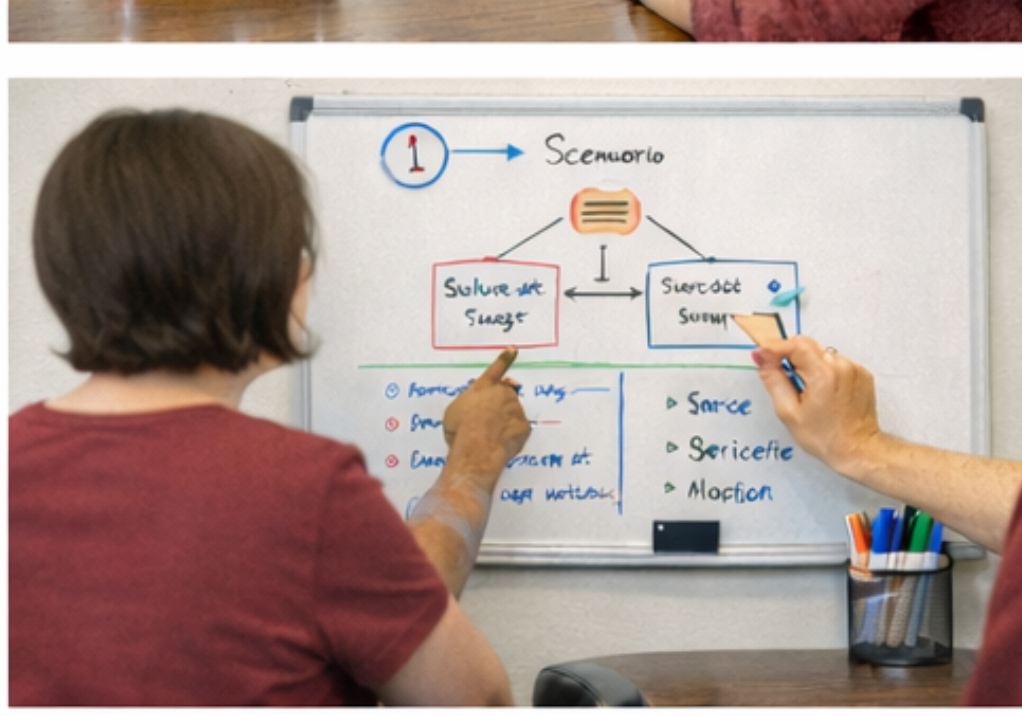
Some social concepts need to be seen in order to be fully understood. I frequently create diagrams, illustrations, conversation maps, and step-by-step visuals that break complex social situations into smaller, more understandable pieces.
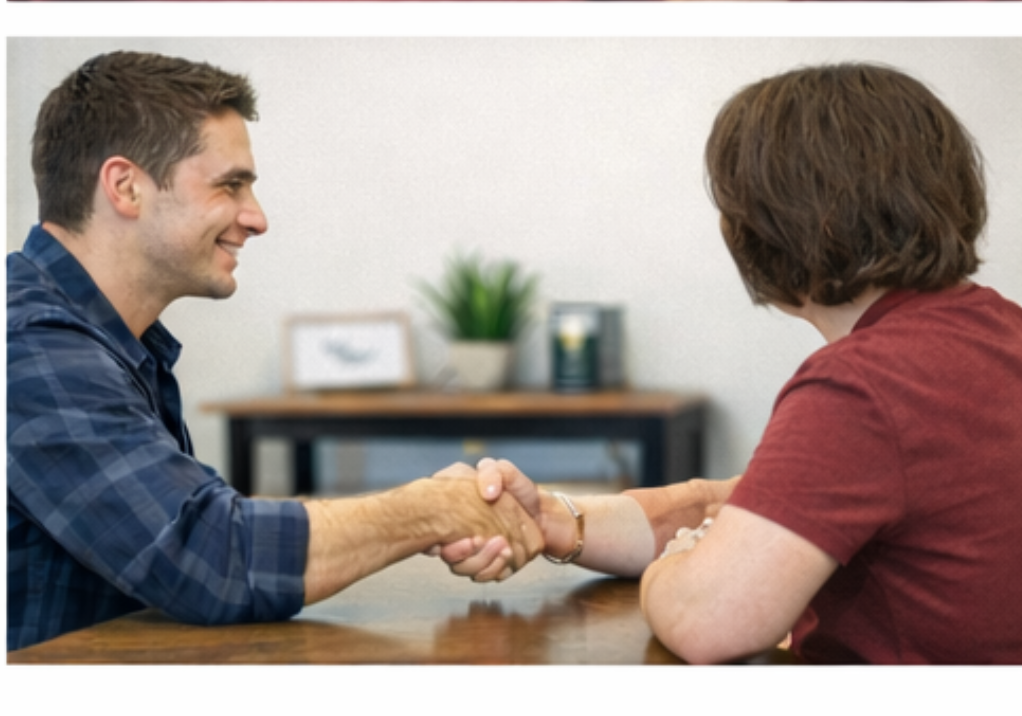
Social skills become more meaningful through practice. Together, we role-play conversations, solve real social challenges, rehearse difficult situations, and practice new skills until they begin to feel natural. The goal isn't memorizing scripts—it's to become comfortable in various social situations with confidence.
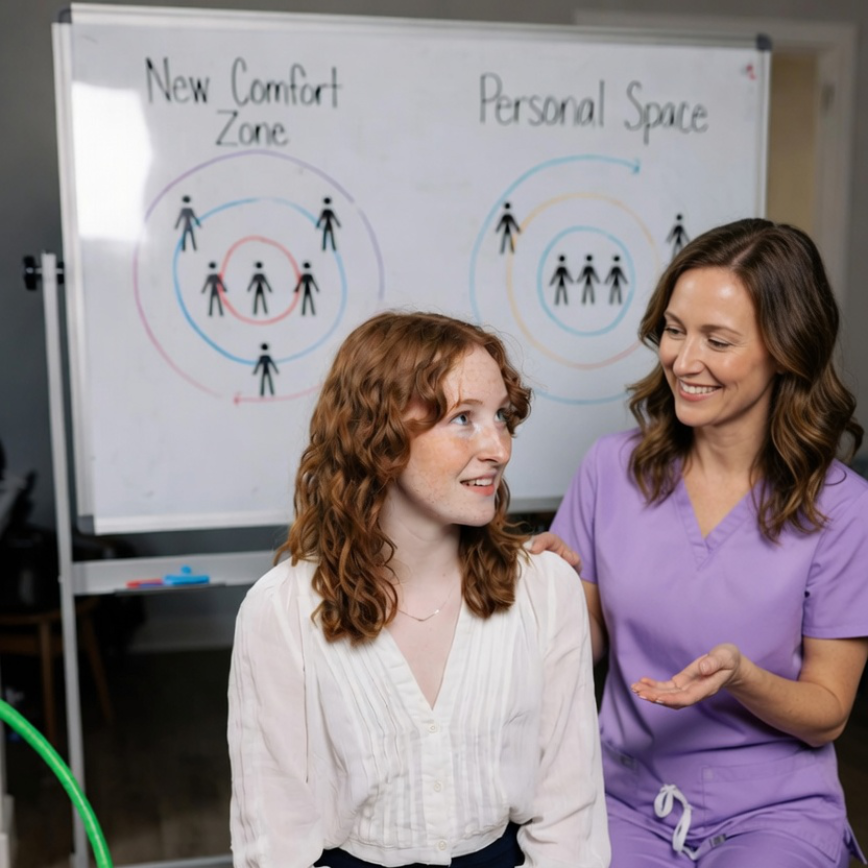
No two people learn exactly the same way. Some people benefit from visuals. Others learn by listening, moving, practicing, or experiencing situations firsthand. Every coaching session is individualized to match your strengths and learning style so the skills you practice in my office transfer successfully into everyday life.

I strongly believe that learning Social Skills needs to be a Hands-On Experience.The tools I use are simply a bridge between learning and real life.