How Social Skills Coaching Works | Our Process
sectionRankPageName: Banner - 000: Our Process
sectionRankPageName: Social Skills Process - 002: Our Process
Social Skills Process
The first step
The first step is to contact the SSC office by phone or email. We will then email you our Welcome Package with the necessary client intake forms. Once you fill out the forms and return them, we will schedule your Initial Consultation appointment.
Initial Consultation appointment
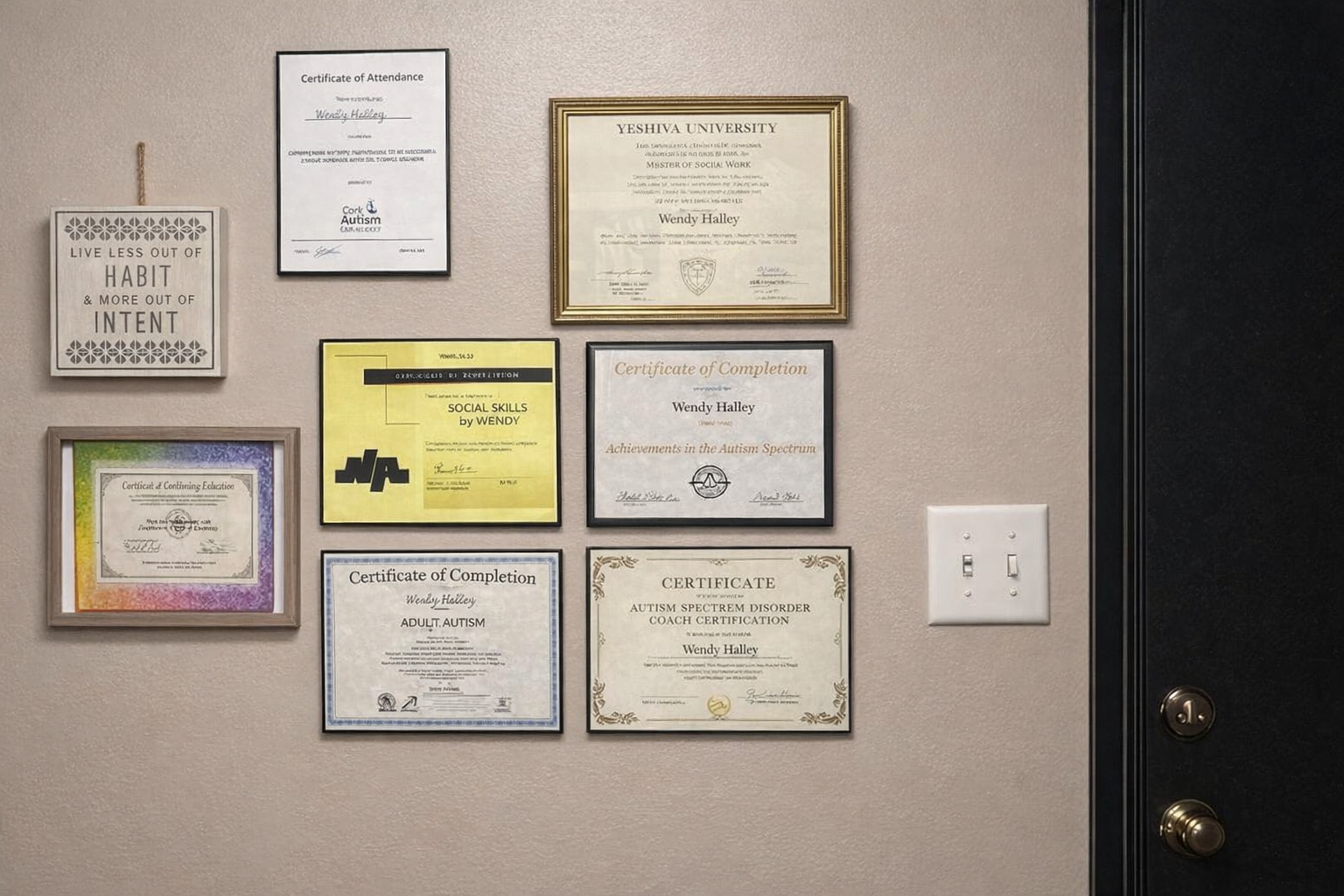
During this Initial Consultation we will discuss the social challenges you have been experiencing, and Wendy will make suggestions for your individualized social skills plan.
Your individualized sessions
Every further session is specific to your individual needs. Wendy will structure the tools, methods, and environments to help you address your specific challenges. Each session is personalized to your individual learning style and your interests.
Future sessions will be based on your learning curve, the frequency of appointments, and your budget.
sectionRankPageName: Common Social Challenges - 003: Our Process
Common Social Challenges
Social situations can be confusing and anxiety-provoking. You might wonder when it is your turn to talk, how close to stand, what to say next, or how to tell what someone else is feeling. If that sounds familiar, you are not alone. You are in the right place.
Fitting in begins with becoming socially aware of ourselves, the environment we are in, and how others are affected by what we say and do. Understanding that we are sharing the social world means becoming a social thinker, or a “we” thinker. From there, you begin to notice the cues, expressions, and signals from others. Social situations start to feel clearer and less overwhelming.
The reality is that many social expectations are never explained, yet people are expected to “just know” them. When that does not happen, individuals may be misunderstood, labeled as rude or unlikable, and left feeling confused. Over time, this can lead to wounded self-esteem, self-doubt, and even isolation. In my coaching sessions, these unspoken rules are made visible, understandable, and practiced in a supportive way.

These are some of the social experiences that often become challenges:
- Learning to recognize and respond to social cues
- Understanding body language in social interactions from both the listener’s and the speaker’s perspective
- Mastering the many nuances of conversational skills
- Understanding personal space, both yours and others’
- Developing friendship skills and reciprocity
- Understanding social circle concepts, including physical and emotional space based on the nature of the relationship
- Learning how to effectively use assertiveness in communication
- Building practical life skills through structured scripts and guided practice
Each session is designed to empower social understanding and build social confidence in a steady, supportive way. The goal is not to change who you are. It is to help you move through your social world with greater clarity, comfort, and confidence.
sectionRankPageName: Private Training - 004: Our Process
Private Training & Public Practice
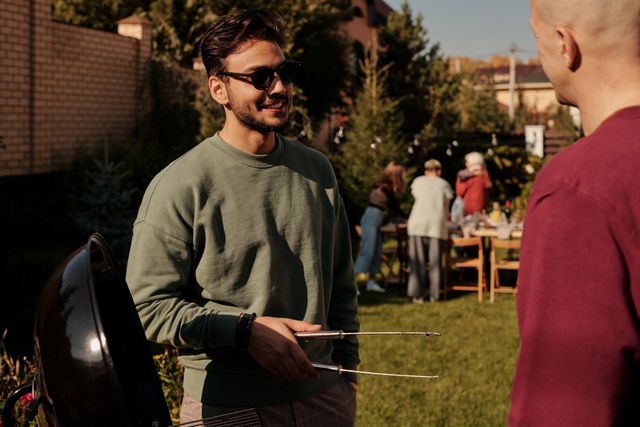
While social skills lessons begin in my office, client session appointments can also take place in the public setting for skill practice as a client needs. One example is that I offer support to clients via a cell phone call as they participate in a social situation, practicing their new social skills in public.

Another public social skill practice strategy that I use with clients in the community is to practice “People Watching.” My client and I will observe other people’s body language and facial expressions in various public social situations, so that my client can practice reading others’ non-verbal body language.

Research shows that individuals with Autism Spectrum Disorders, Asperers, ADHD, ADD, Social Anxiety and those with learning differences acquire social skills most easily through Experiential Learning, rather than instruction only received in an office setting.
sectionRankPageName: Transitioning to Adulthood - 005: Our Process
Transitioning to Adulthood
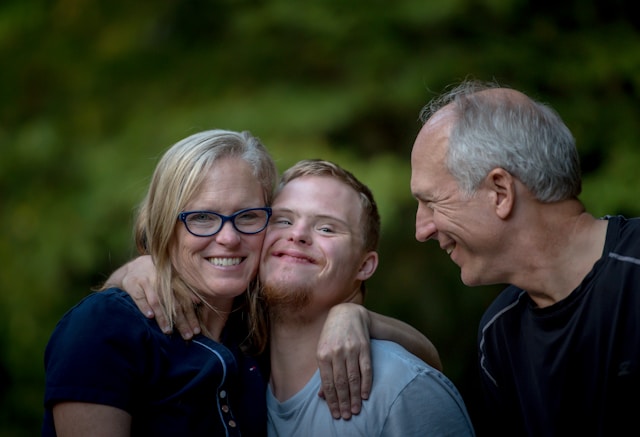
The transition to adulthood is a major life stage filled with new expectations—socially, academically, and at home. It often comes with greater responsibility, unfamiliar environments, new people, and changing routines. For many young adults, this period can feel exciting, but also scary, overwhelming, or confusing.
SCC supports individuals as they prepare for these changes and learn to tolerate the discomfort that often comes with growth. A “next step” might mean college, employment, vocational training, or any combination of independent life skills. These transitions require more than academic knowledge — they require strong social understanding, self-management, and everyday life skills.
How SCC Helps
SCC provides structured, personalized coaching to guide young adults through this ambiguous and important stage of development.
Coaching may include support in:
- Interacting appropriately with supervisors, coworkers, professors, and customers
- Understanding the unspoken social rules of different environments
- Navigating college expectations: time management, organization, self-advocacy, and communication
- Developing essential life skills: personal care, emotional regulation, money management, and independent living.
- Learning how to live successfully in a dorm, apartment, or shared residence
- Building and maintaining friendships, understanding boundaries, and developing healthy relationship skills
SCC’s Approach
The goal of SCC’s transition coaching is to give individuals the “map and GPS” they need to build confidence, navigate new demands, and discover their own social niche—in school, in the workplace, and in everyday life.
sectionRankPageName: Our Process SEO - undefined: Our Process
sectionRankPageName: New Section - undefined: